
Bali villas can look exceptional during a viewing. Fresh paint, new furniture and tropical landscaping attract attention, but appearance does not reveal how well the roof, drainage, electrical and plumbing systems perform.
After inspecting villas across Bali, we see certain problems repeatedly. Some result from age and maintenance; others from tropical weather, unsuitable materials or incomplete construction. New villas are not exempt: we regularly find defects before owners move in. If your developer has declared the property complete, arrange a villa handover inspection in Bali before formally accepting it.
This does not mean every villa is poorly built or every defect is serious. Many findings are manageable when identified early. An independent inspection helps separate routine maintenance from safety concerns, costly repairs and conditions requiring a specialist.
If you are currently considering a property, start with our complete Bali villa inspection checklist. Below are 12 of the most common problems we find during inspections.
1. Moisture Intrusion
Moisture damage is one of the most frequent problems in Bali villas. Heavy rain, humidity, failed waterproofing, roof defects, plumbing leaks and poor drainage can all contribute.
Signs include peeling paint, discoloration, mineral deposits, deteriorated plaster, musty odours, swollen cabinetry and mold-like growth. Low-level damage may be consistent with rising damp, while ceiling stains may point toward a roof, balcony or plumbing source. We have yet to inspect a villa in Bali without some form of leak or moisture intrusion. Some are visible in plain sight, others are hidden.
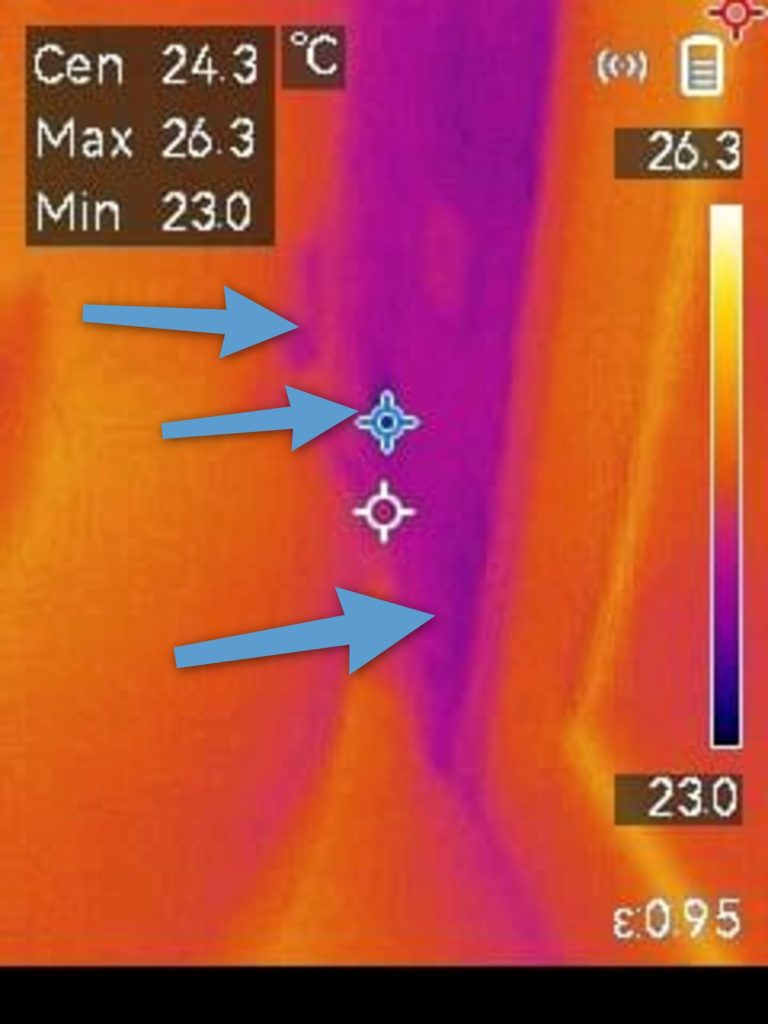
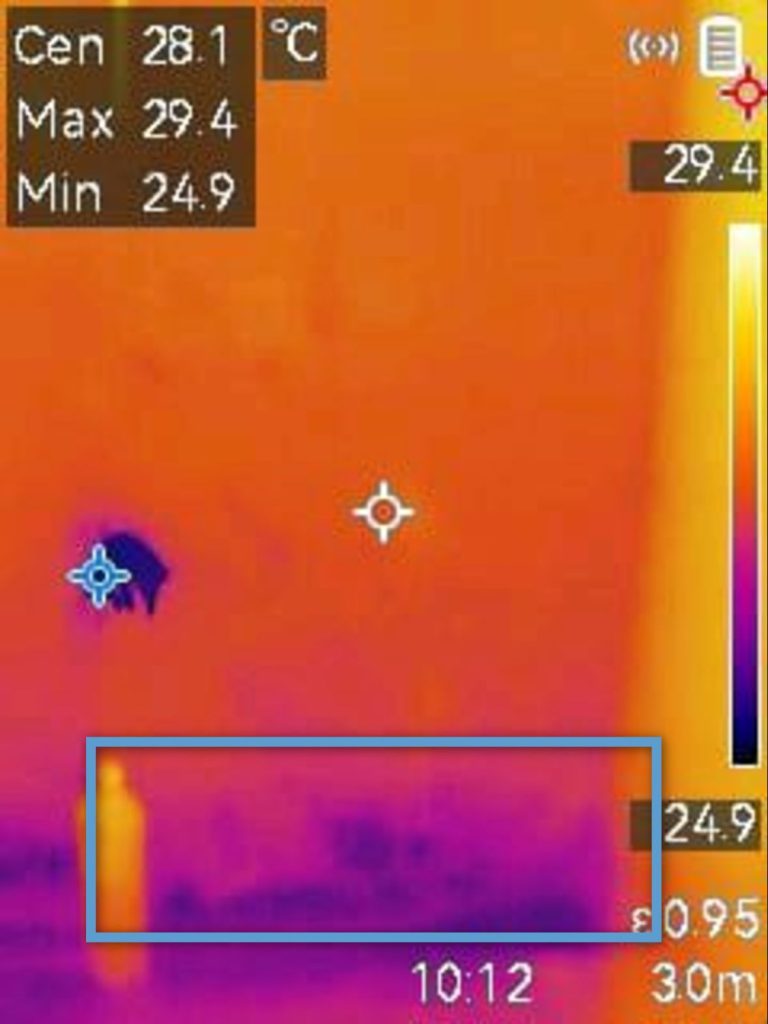
The visible symptom is not always the source. Repainting may conceal staining without correcting the cause. We use moisture meters and, where helpful, thermal imaging to investigate suspicious areas, although concealed conditions may require further evaluation. Sometimes a wall can look perfectly dry, but inside the wall paints a different picture. With thermal imaging we can often identify pipe leaks or moisture intrusion from the exterior. AC drains that are in the walls may also create condensation, allowing moisture to seep through the paint.
2. Roof Leaks and Poor Waterproofing Details
Bali villas use clay and concrete tiles, bitumen shingles, metal, sirap, alang-alang and flat roofs. All can leak when materials deteriorate or details are installed incorrectly.
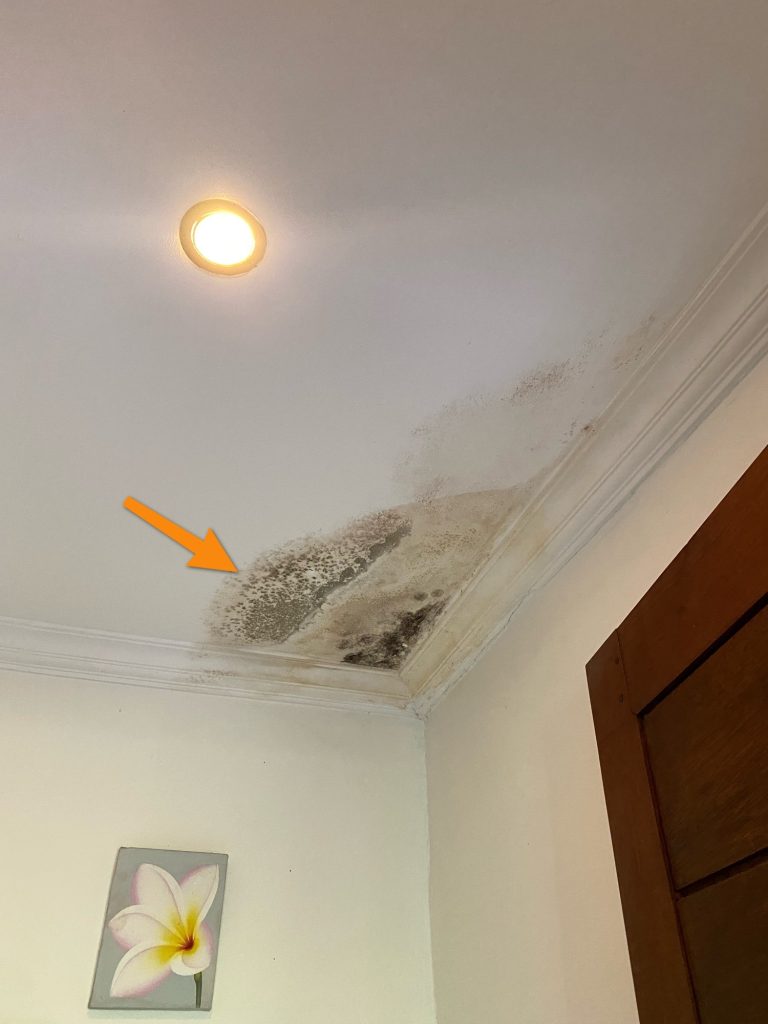
We report damaged coverings, corrosion, failed flashing, unsealed penetrations and leakage evidence. Poor detailing where a flat roof meets a wall can admit water, while inadequate slope or drainage causes ponding.
A stain does not prove an active leak, but should not be dismissed because it is dry. Ask about repairs, warranties and performance during heavy rain. Our guide to common roof types in Bali explains each material.
3. Ineffective Drainage and Water Flowing Toward the Villa
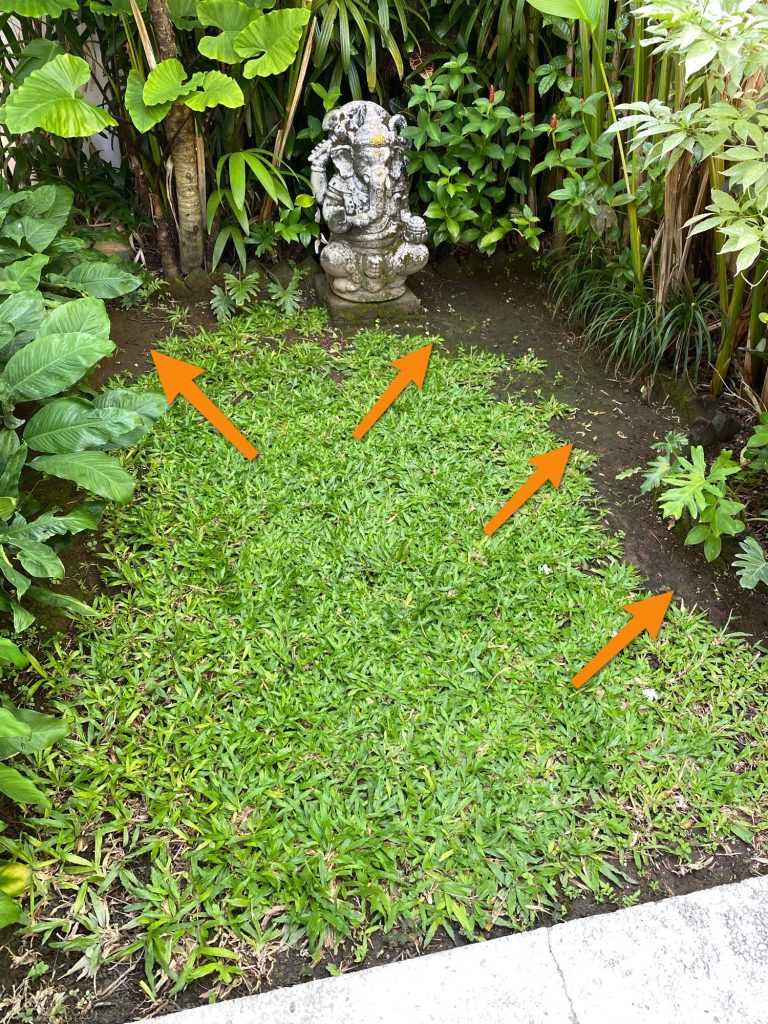
A roof may be watertight, but a villa can still experience moisture problems because water is poorly managed at ground level. We frequently see garden levels, paving or driveways sloping toward the building rather than away from it.
Other findings include drains higher than surrounding surfaces, blocked or missing covers and downspouts releasing water beside walls. Balconies, pool decks and flat roofs may also hold water – and many don’t have any drains.
These conditions contribute to ponding, slippery surfaces, deterioration and moisture intrusion. Dry weather cannot show performance during a storm, so some areas require monitoring during rainfall. Ineffective slopes and blocked drains can still be identified beforehand.
4. Electrical Safety Defects
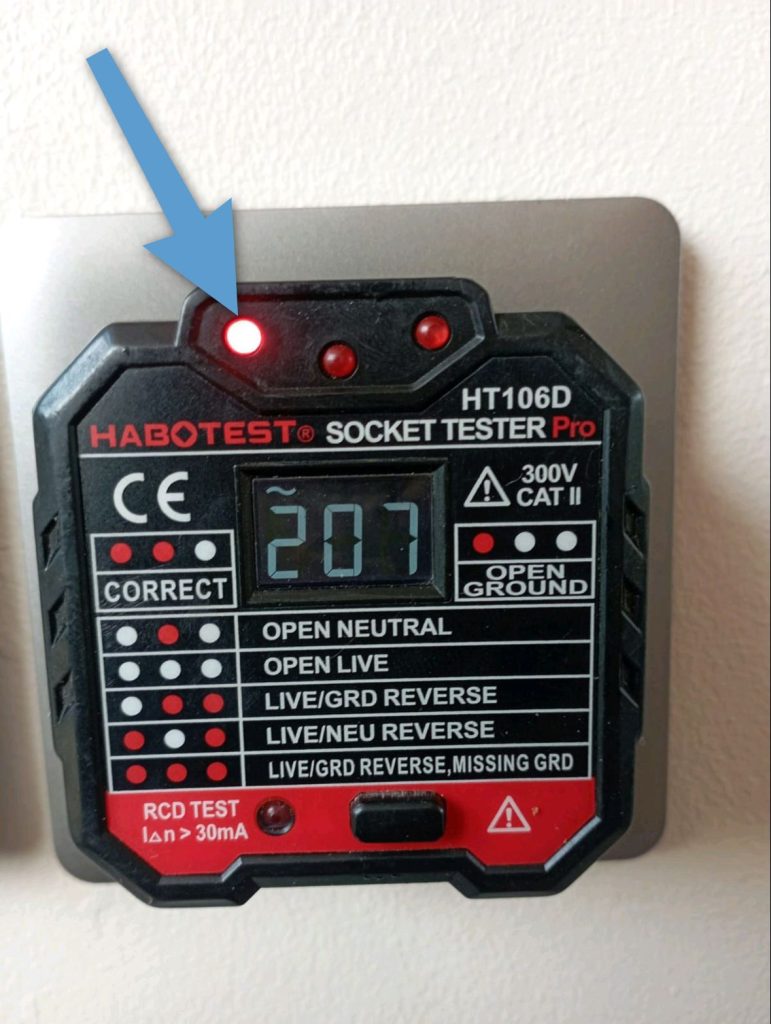
Electrical problems are among the most important findings because some create an immediate shock or fire risk. A light or socket working does not mean the installation is safe.
Examples include ungrounded or incorrectly wired sockets, exposed splices, missing junction boxes, unsuitable outdoor cables, missing panel covers, overheating and improper terminal connections. Corroded terminals should be cleaned, repaired or replaced as appropriate by an electrician; corrosion alone does not automatically justify replacing the entire panel.
We check accessible sockets, wiring and panels, and test protective devices such as an ELCB where possible particularly on water heaters.. Grounding must be verified. Buyers should never handle exposed conductors.
5. Cracking and Signs of Movement
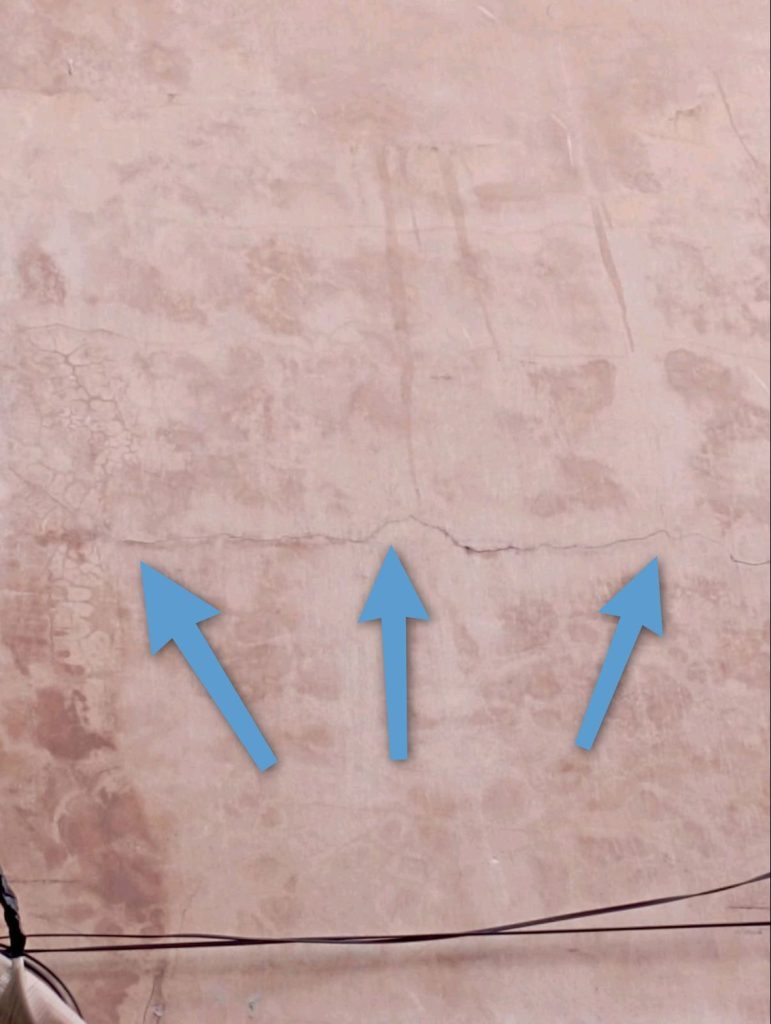
Cracks are common in buildings, but they vary greatly in significance. Fine surface or plaster cracks may be cosmetic, while deeper, wider or recurring cracks can indicate movement that deserves further investigation.
Width, direction, location and surrounding conditions matter. Diagonal cracks, wall-ceiling separation, uneven floors, sticking doors, deflection and retaining-wall movement provide more context than a crack alone.
A visual inspection does not include structural calculations. When a wall crack exceeds approximately 2 mm, or bowing, deflection or significant movement is observed, we recommend a qualified building or structural engineer for further evaluation and possible invasive testing.
6. Plumbing Leaks, Weak Pressure and Pump Problems
Many villas rely on wells, storage tanks and multiple pumps rather than a simple direct municipal supply. This makes the water system more complex and creates additional maintenance points.
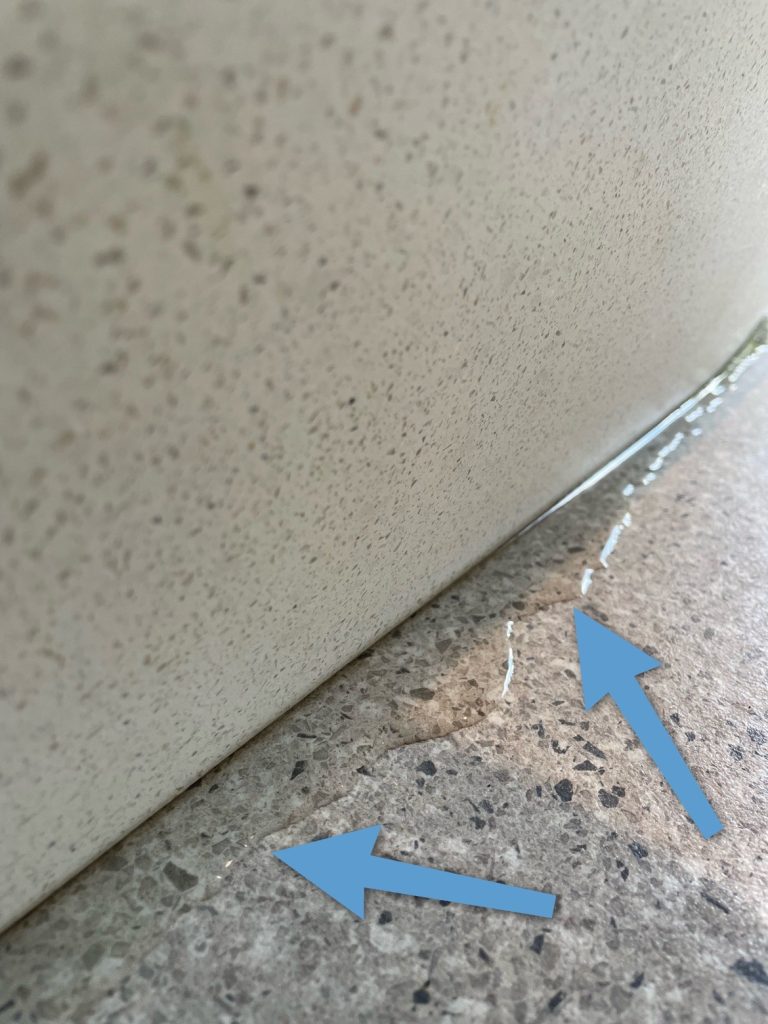
We find leaking fittings, loose fixtures, slow drains, unstable toilets, corrosion and weak pressure. A continuously cycling pump may indicate a leak or failed pressure control. Poorly drained underground pump rooms expose equipment to flooding.
Concealed pipes and well condition remain outside a visual inspection. Our guide to water pumps found in Bali villas explains the main pump types.
7. Air-Conditioning Drainage and Installation Defects
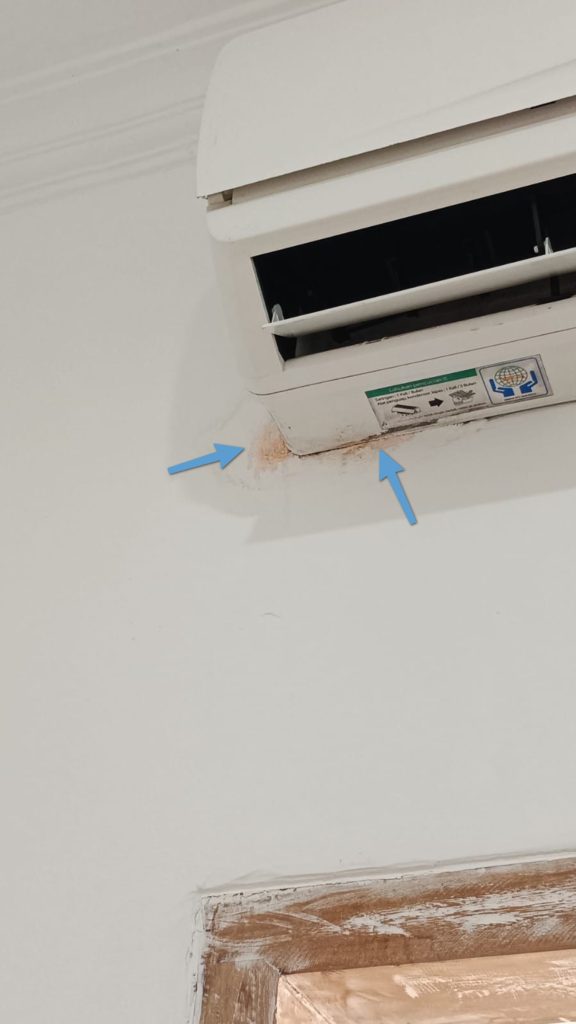
Split air-conditioning systems are used heavily in Bali, and condensate management is often overlooked. We regularly find AC drain lines that leak, terminate in unsuitable locations or have been joined with temporary-looking tape rather than durable fittings.
Damaged refrigerant-line insulation can create condensation and staining. Outdoor units may show corrosion or poor support, while indoor leaks can damage finishes and electrical components.
An inspection confirms basic operation and visible condition; it is not a full AC service. Units that do not cool adequately, leak or make unusual noises should be assessed by a qualified AC technician.
8. Uneven, Hollow or Damaged Tiles
Tile defects are extremely common in both new and established villas. We report cracked, chipped, loose or uneven tiles, as well as hollow-sounding areas that may indicate incomplete adhesive coverage or separation below the tile.
Isolated cosmetic defects may be easy to repair. Widespread hollow installation is more disruptive, especially without matching replacement tiles. Raised edges can also create trip hazards.
On balconies, bathrooms and pool decks, tile condition must be considered together with slope, drainage and waterproofing. Replacing a damaged surface tile will not correct water collecting below or behind it.
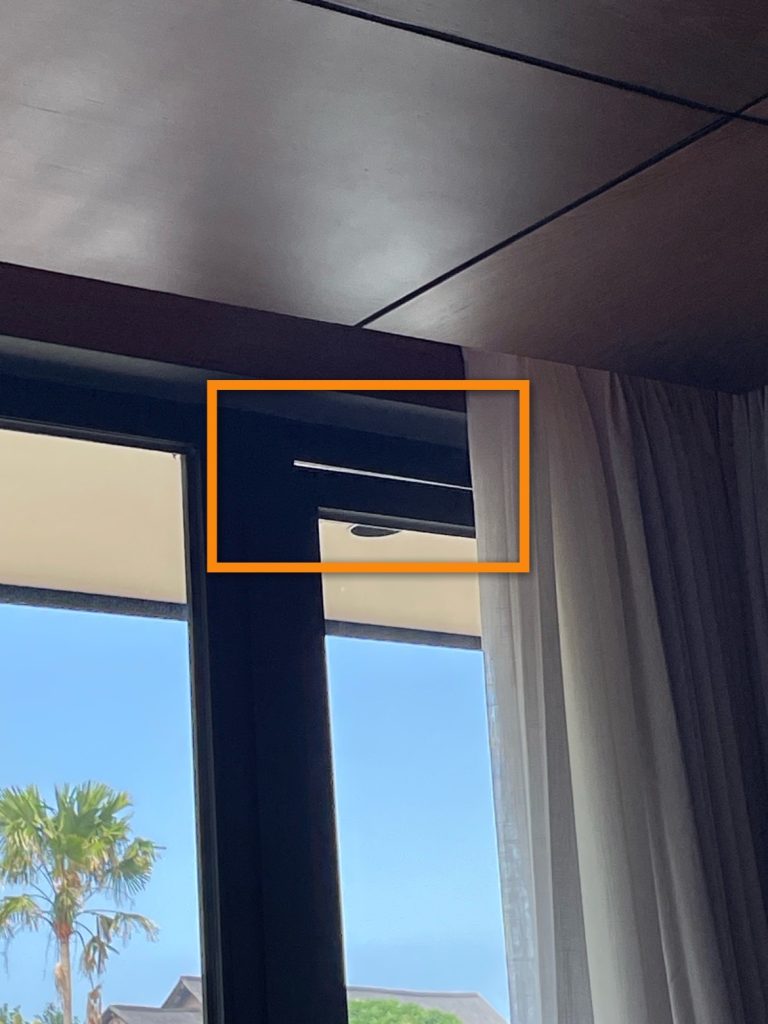
9. Doors, Windows and Exterior Gaps
Doors and windows that do not close, latch or seal correctly are another repeated finding. The cause may be loose hardware, poor alignment, swelling, unfinished installation or movement in the surrounding opening.
Failed sealant, gaps around frames and unsealed penetrations can admit wind-driven rain, humid air and pests.
Exterior timber doors frequently show weathering, fading or deterioration from sun and rain exposure. Routine cleaning and refinishing can extend their life, but cracked, rotted or badly distorted components may require repair or replacement.
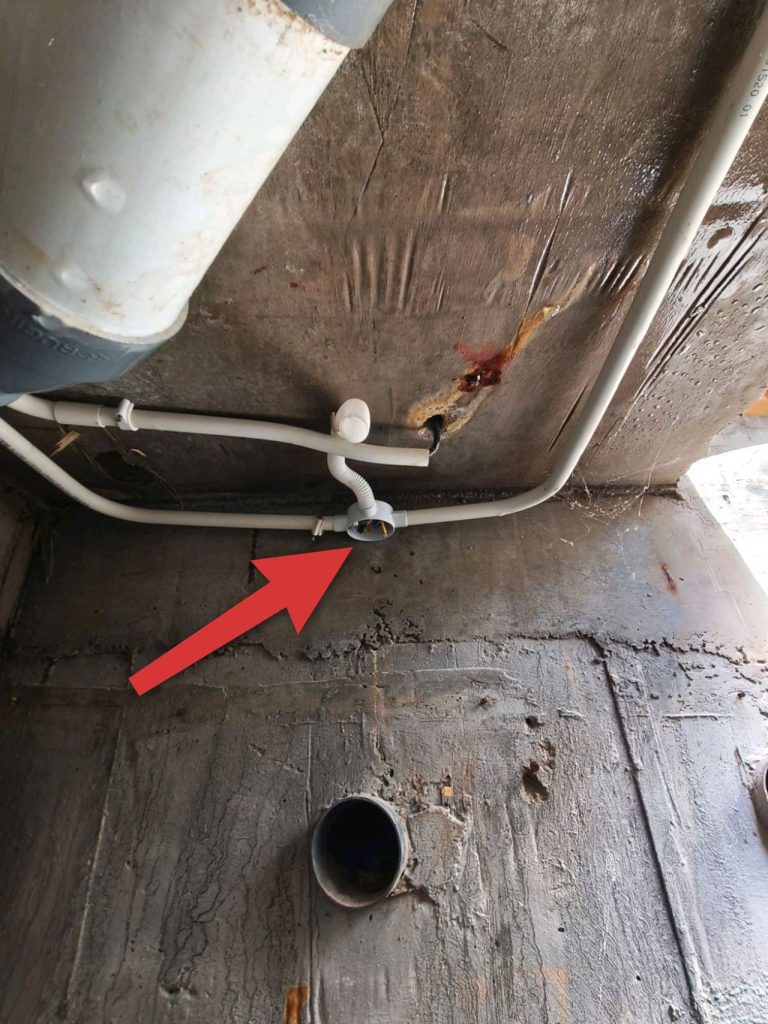
10. Pool and Pump-Room Defects
Swimming pools add another group of structural, plumbing and electrical components to the property. Common observations include damaged grout, loose or missing tiles, cracked finishes, leakage indicators, corroded pumps and unsafe or poorly protected wiring.
Pool control rooms often have limited drainage, corrosion or wiring vulnerable to water entry. Underground rooms need practical drainage or a suitable submersible pump.
An inspection can report visible defects and basic operation, but it does not replace specialist leak detection, water-quality analysis or dismantling of pool equipment.
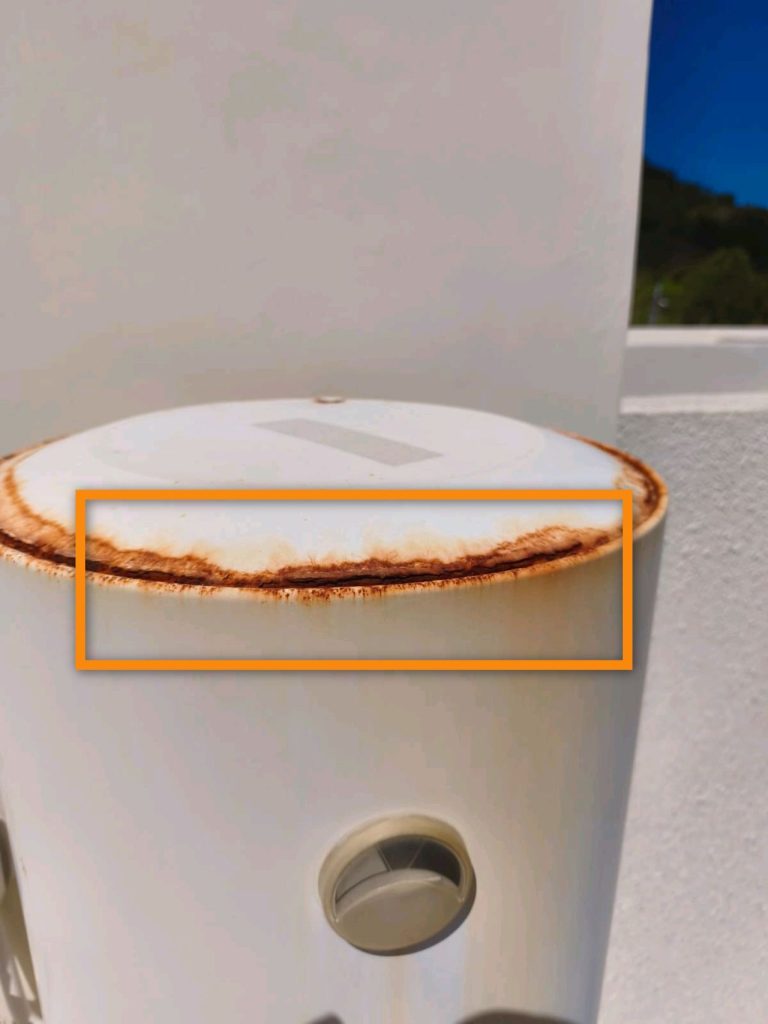
11. Corrosion, Timber Decay and Unsuitable Outdoor Materials
Bali’s combination of humidity, rainfall and coastal salt exposure can accelerate material deterioration. Metal roof components, electrical terminals, pool equipment, water heaters, fasteners and exposed structural sheets may corrode when materials or protective coatings are unsuitable.
Timber decking, roof elements, fascia and doors can show rot, insect damage or failed coatings. Interior-rated electrical components may also be installed outdoors without suitable enclosures.
Minor surface corrosion and heavy section loss are not the same condition. The affected component, extent of deterioration and its function determine whether cleaning, protection, repair, replacement or specialist evaluation is appropriate.
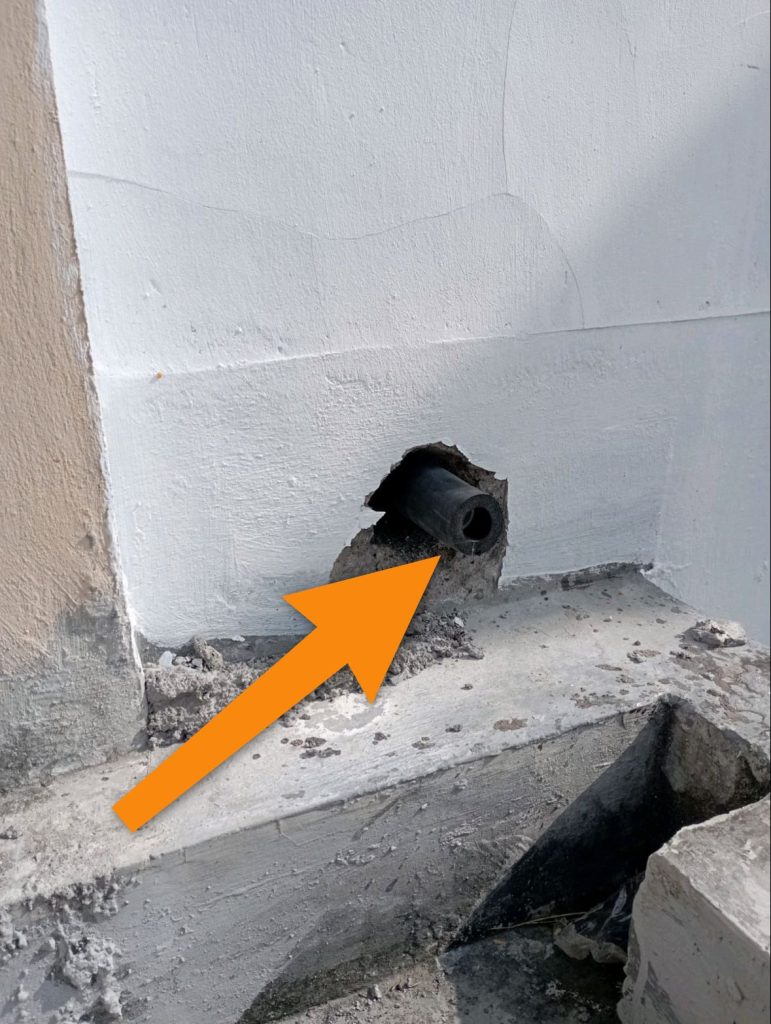
12. Incomplete or Poorly Finished Construction
One of the biggest misconceptions is that a new villa does not need an inspection. New builds may have no age-related wear, but they can still contain unfinished work, installation defects and systems that were never properly tested.
Examples include missing fasteners, loose deck boards or railings, incomplete sealant, unsealed penetrations, irregular plaster repairs, uneven cabinets and non-tempered glass where safety glazing is appropriate. More consequential issues include failed waterproofing, incorrect electrical work and incomplete drainage.
These findings are easier to address before final payment, handover or expiry of the defect period. A professional handover inspection creates a documented list for the developer or contractor.
Why These Problems Are Easy to Miss
Property viewings are usually brief and focused on layout, design, location and investment potential. Services may be switched off, roofs may be inaccessible and the weather may be dry. Fresh finishes can conceal earlier staining, while hidden waterproofing, pipework and wiring cannot be seen without opening the building.
A home inspection is therefore visual and non-invasive, not a guarantee that every defect will be found. It establishes the condition of accessible components at the time of inspection and identifies areas where additional specialist evaluation may be appropriate.
Inspect Before You Buy—or Before Small Problems Become Expensive
Bali Home Inspector assesses accessible roofing, structural elements, electrical systems, plumbing, drainage, moisture conditions, air conditioning, pools, interiors, exteriors and visible workmanship. Depending on the property, we use moisture meters, thermal imaging, electrical testers and drone photography to support our observations.
Our inspectors hold either relevant InterNACHI or Indonesian BNSP certifications. We operate independently and do not take commissions or referral payments from agents, builders, repair contractors or other parties. The resulting digital report includes photographs, defect descriptions, practical recommendations and referrals for specialist evaluation where necessary.
If you are buying an existing property, consider a complete home and villa inspection. If you already own a villa, an annual maintenance inspection can identify developing issues before they become more disruptive. To discuss a property or request an estimate, contact Bali Home Inspector.