
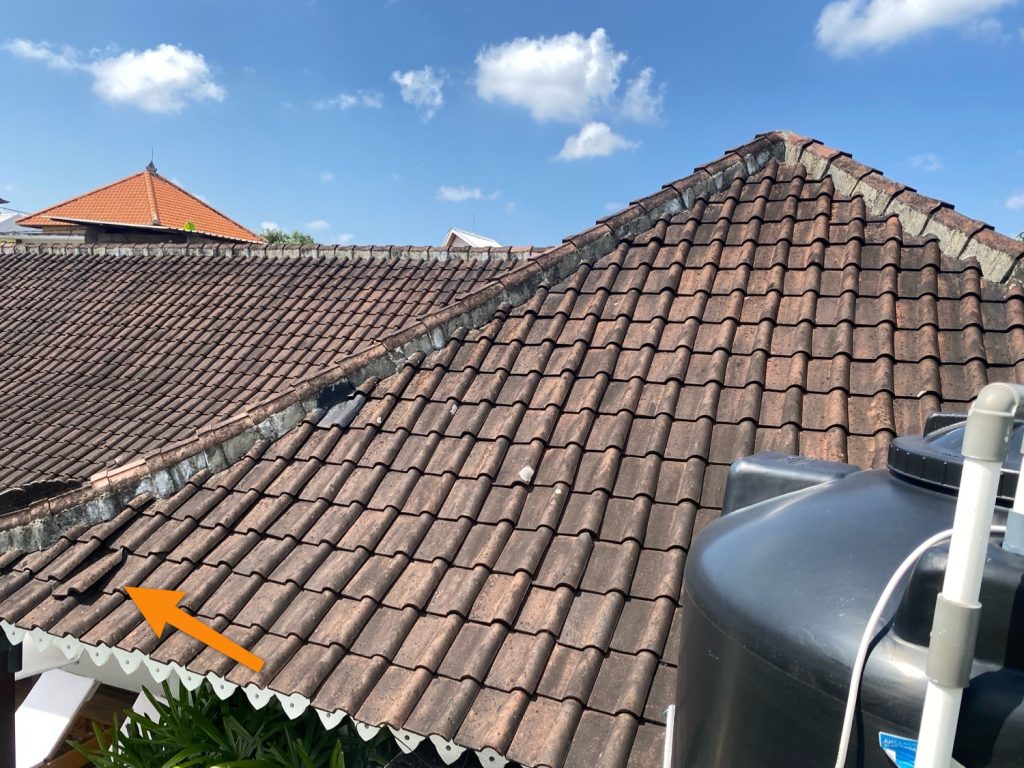
When it comes to building a roof in Bali, there are many factors to consider. From the tropical climate to the type of material used, the roof you choose will have a big impact on how long it lasts and how much maintenance it demands. In this article, we’ll explore the different types of roofs available in Bali — including traditional materials like alang-alang and sirap alongside modern options like metal, asphalt, and flat roofs – and their durability.
Factors Affecting Roof Durability
The durability of a roof in Bali is affected by several factors: the type of material used, the local climate, the quality of installation, and the amount of ongoing maintenance it receives. The material determines the roof’s baseline lifespan and how much upkeep it will need. Bali’s climate — hot, humid, and subject to intense seasonal rainfall — accelerates the deterioration of many materials, particularly organic ones like thatch and untreated wood. Poor installation and inadequate drainage detailing compound these issues regardless of material choice. Finally, regular maintenance is essential for any roof type to reach its expected service life — a roof of even the most durable material will fail early if neglected.
Types of Roofs in Bali
There are several types of roofing found across Bali, ranging from traditional materials rooted in Indonesian architectural heritage to modern manufactured products. The most common are clay tiles, asphalt shingles, metal roofs, alang-alang thatch, sirap (wood shingle), and flat concrete roofs. Each comes with its own balance of cost, durability, and maintenance demands, and the right choice depends on your budget, the building’s style, and how much upkeep you’re willing to commit to.
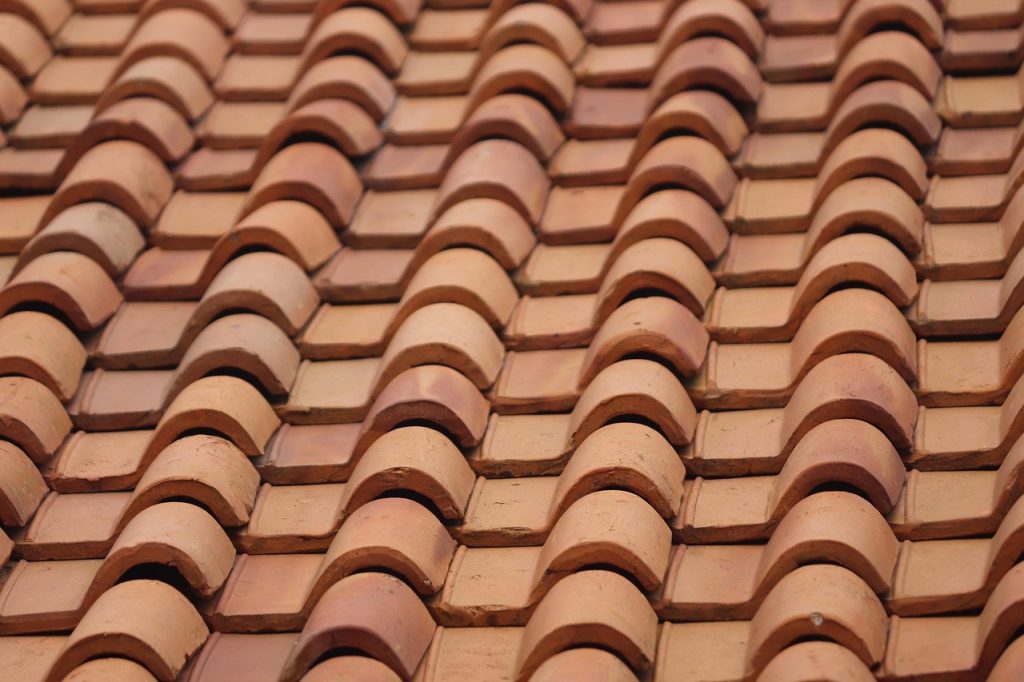
Clay Tiles
Clay tiles are a popular choice for roofs in Bali, valued for their durability and relatively affordable cost. They’re fire-resistant and, with proper maintenance, can last up to 50 years. However, they are heavy — requiring a more robust roof structure to support them — and can be labor-intensive to install correctly.
Estimated service life: 40–50 years
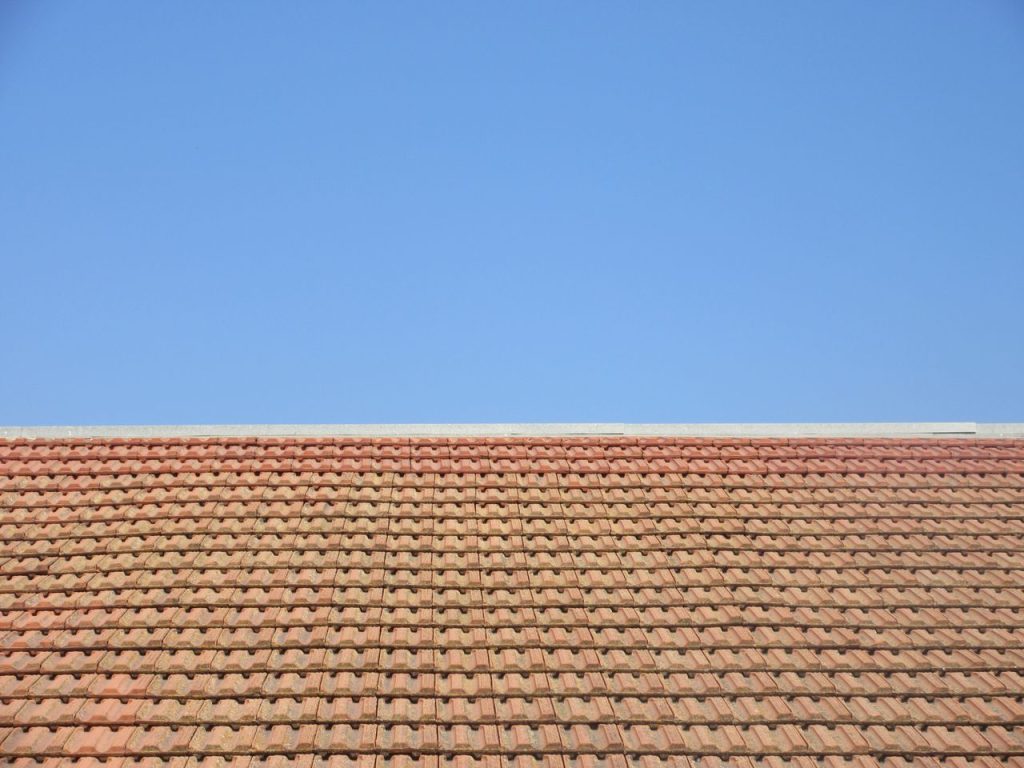
Beton (Concrete) Tile
Beton, or concrete roof tile, is one of the most widely used roofing materials in Indonesia, including across Bali. It’s valued for being more affordable than clay tile while still offering a similar profile and aesthetic, along with solid resistance to wind and fire. Under normal conditions with quality manufacturing, concrete tile roofs are commonly cited as lasting 30–50 years, with some well-maintained installations reaching considerably longer.
That said, concrete tile quality can vary significantly depending on the manufacturer and the specific concrete mix used. This makes the source and quality of the tile itself a bigger factor for beton roofing than for most other materials on this list.
Concrete tiles are also heavy, similar to clay, and requires a properly reinforced roof structure to support the load safely.
Estimated service life: 30–50 years (heavily dependent on tile manufacturing quality)
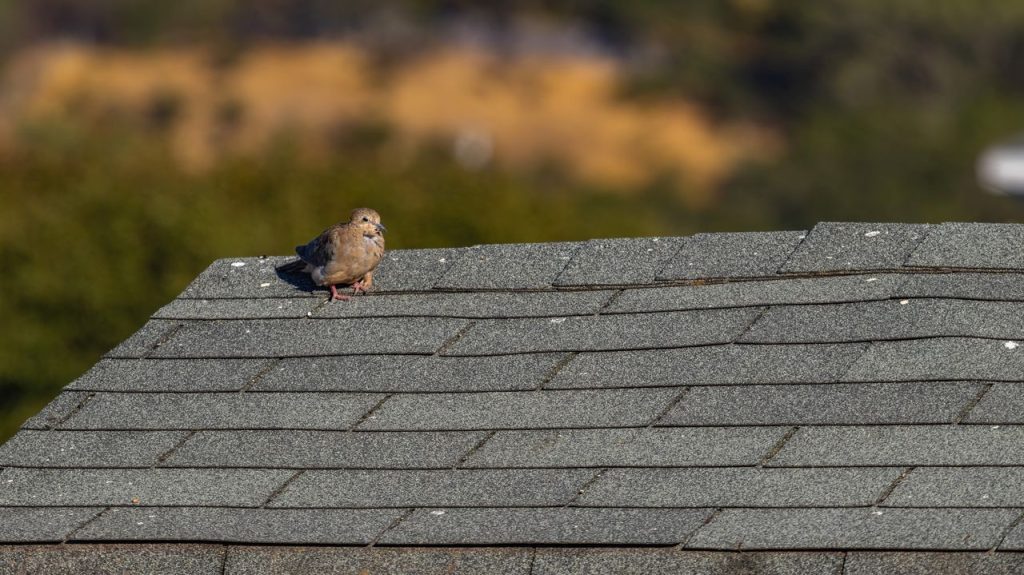
Asphalt (bitumen) Shingles
Asphalt shingles are lightweight and straightforward to install, making them a budget-friendly option. However, they’re less durable than clay tiles or metal in Bali’s climate and typically need replacement sooner, particularly given the intensity of UV exposure and seasonal rain.
Estimated service life: 15–20 years
Metal Roofs
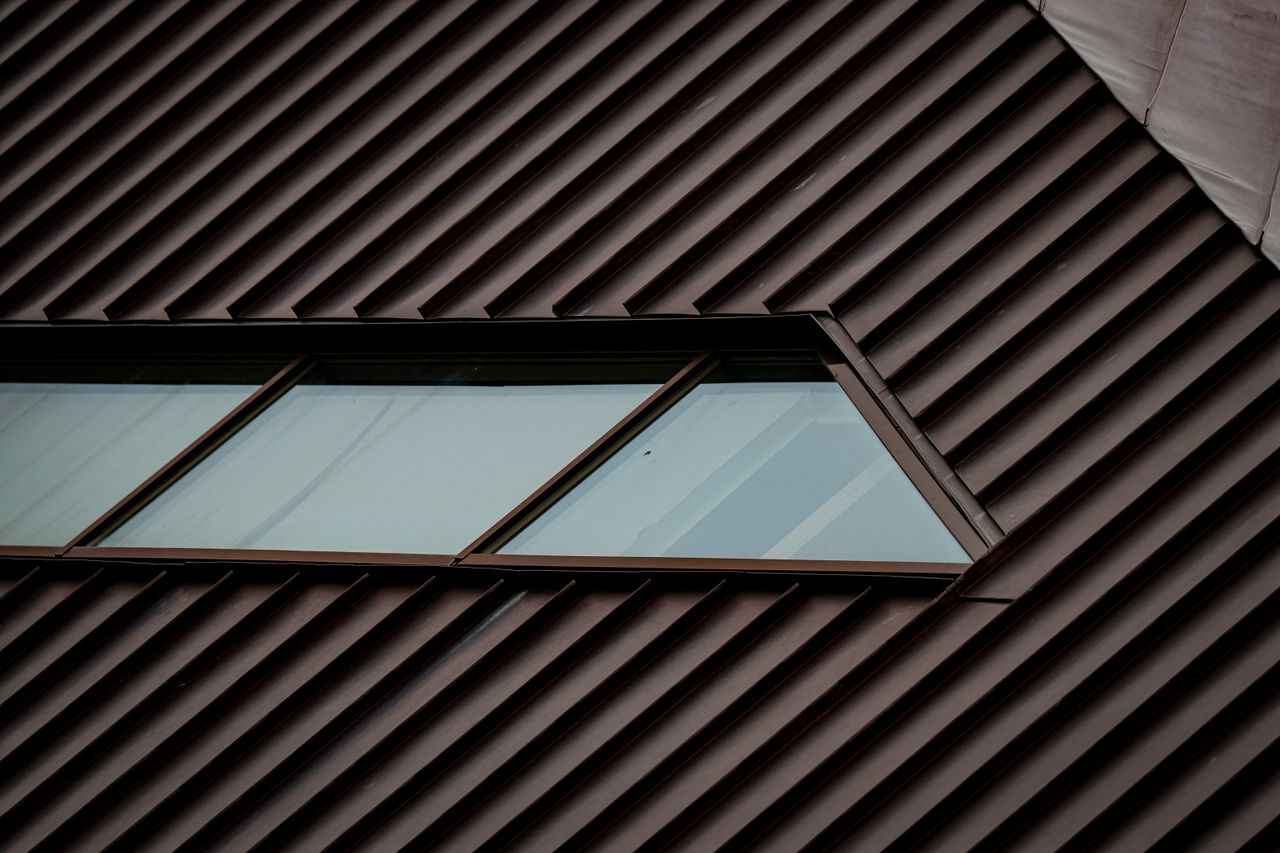
Metal roofing is among the most durable options available in Bali. It’s fire-resistant, holds up well against heavy rain and wind, and can last up to 100 years in ideal conditions with proper maintenance — though in practice, tropical humidity and coastal salt air can accelerate corrosion on lower-quality or poorly coated metal, so material quality (and any protective coating) matters significantly. Metal roofing is also the most expensive upfront option and requires skilled installation.
Estimated service life: 40–70 years (with quality material and coating; less in harsh coastal exposure)
Alang-Alang (Thatch Roof)
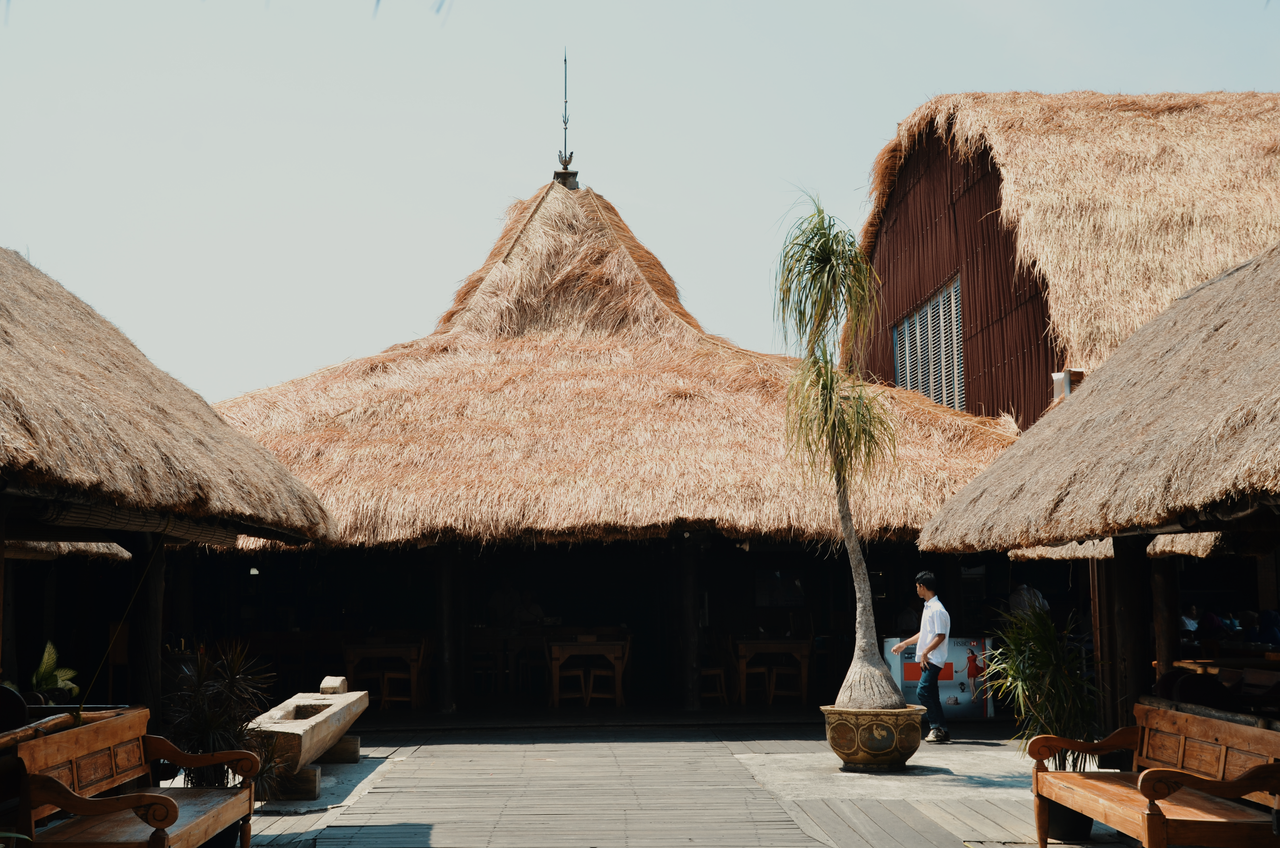
Alang-alang is a traditional Balinese roofing material made from dried thatch grass, prized for its natural insulation, striking tropical aesthetic, and low environmental footprint. It keeps interiors notably cooler than many manufactured materials, which is part of why it remains popular for villas, gazebos, and pavilions across the island. However, it’s also one of the shorter-lived roofing options — natural alang-alang typically needs replacing every 5–10 years, depending on installation quality, weather exposure, and maintenance, with well-maintained installations occasionally reaching 15 years. Synthetic alang-alang, a manufactured alternative designed to mimic the look of natural thatch, offers a meaningfully longer lifespan of up to 20 years with less maintenance, though at a higher material cost.
Estimated service life: 5–10 years (natural); up to 20 years (synthetic)
Sirap (Wood Shingle Roof)
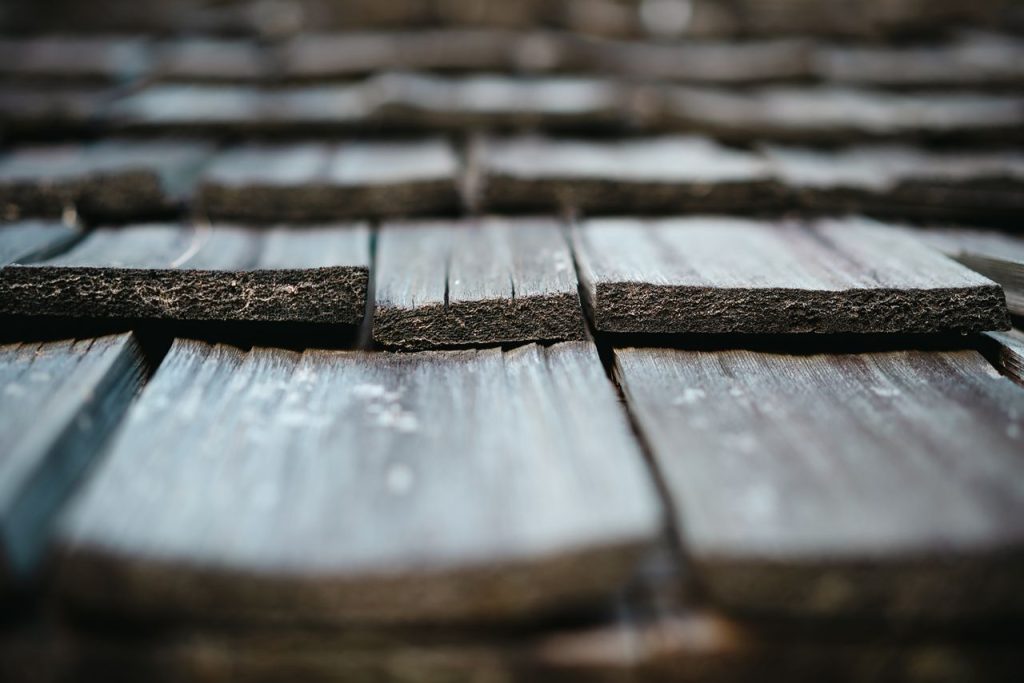
Sirap is a traditional wood shingle roof, most commonly made from ulin (ironwood) — one of the densest and most rot- and termite-resistant hardwoods found in Indonesia. Historically used for temples, palaces, and high-status buildings in Kalimantan, sirap has become a popular choice in Bali for villas and pavilions seeking a natural material with far greater longevity than thatch. Properly installed ulin shingle roofing is exceptionally durable — commonly cited service life runs 20–30 years, and some sources note ulin structures lasting decades longer with minimal treatment given the wood’s natural density and oil content. It’s heavier and more expensive than alang-alang, but offers a middle ground between the traditional aesthetic of thatch and the long-term durability of manufactured materials. Bear in mind, however, that when we conduct inspections, we have seen poor installation and sirap roofs that are only 10 years old that need to be replaced already due to lack of maintenance or poor installation.
Estimated service life: 10–20+ years
Flat Roofs
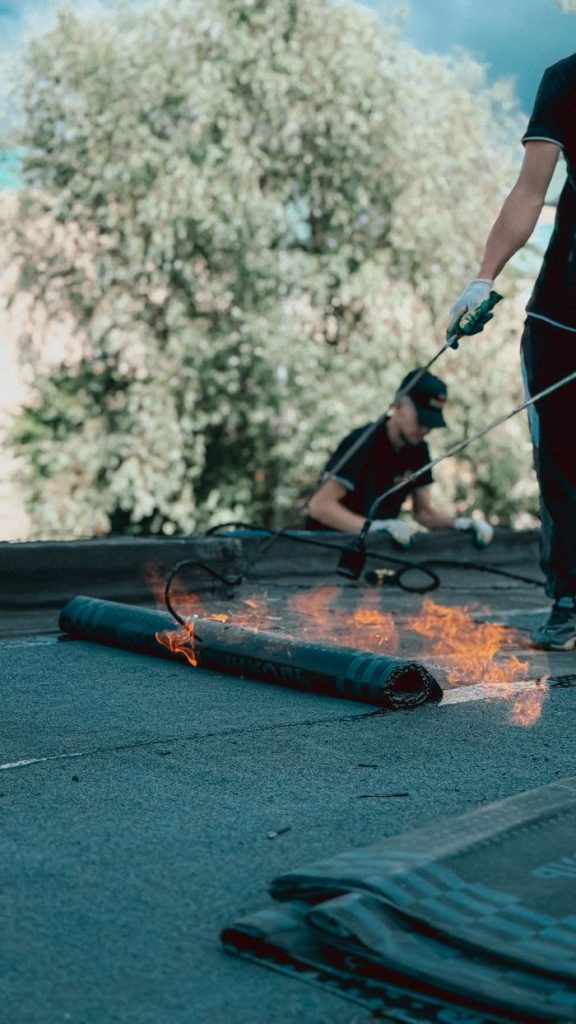
Flat (or low-slope) concrete roofs have become increasingly common in Bali’s modern villa architecture, prized for their minimalist aesthetic and usable rooftop space. However, flat roofs come with a specific vulnerability in Bali’s climate: unlike pitched roofs, they don’t shed heavy rainfall quickly, which creates a real risk of ponding — standing water that, over time, finds its way through even small imperfections in the waterproofing membrane. Because of this, a flat roof’s actual lifespan depends almost entirely on the quality of its waterproofing system (common options include bitumen, PVC, TPO, or liquid-applied membranes) and how well drainage has been engineered into the design. With a high-quality membrane, proper slope for drainage, regular maintenance, and annual inspections, flat roofs can last 10-20 years; with lower-grade waterproofing or poor drainage detailing, leaks and membrane failure can appear in well under half that time, and we often seen as early as 1 year there are already leaks. Check with the waterproofing specialist as well on their warranty options. Many membranes, such as membrane bakar (torch applied membrane) only have a warranty of 2-5 years.
Workmanship also plays a heavy role in this type of roof and waterproofing. Flat roofs also need to have adequate drainage and drains should be checked for blockages frequently.
Estimated service life of covering: 1–20 years, heavily dependent on waterproofing quality, maintenance, and drainage design
Conclusion
When it comes to choosing a roof for your home in Bali, there’s no single “best” answer — the right choice depends on your budget, the architectural style you’re going for, and how much ongoing maintenance you’re prepared to commit to. Metal and clay tile roofs offer the longest service life for those prioritizing durability with minimal replacement cycles. Sirap offers a strong middle ground — a traditional, natural aesthetic with considerably more longevity than thatch. Alang-alang remains a beloved choice for its cooling properties and iconic tropical look, but requires the most frequent replacement of any option here. Flat roofs can perform well long-term, but only when paired with quality waterproofing and proper drainage design — cutting corners here is one of the most common causes of early failure we see in the field. And as with all materials above, always ask for the warranty period of the materials and the installation. It varies from roofer to roofer and material.
Whatever roofing material your property uses, regular inspection and maintenance is what actually determines whether it reaches its full potential lifespan. If you’re purchasing a villa or want to understand the current condition of your roof, Bali Home Inspector can assess roofing systems as part of a full home or villa inspection — helping you catch developing issues before they become costly repairs.
Pingback: Bali Rental Inspection | 5-Point Villa Check