
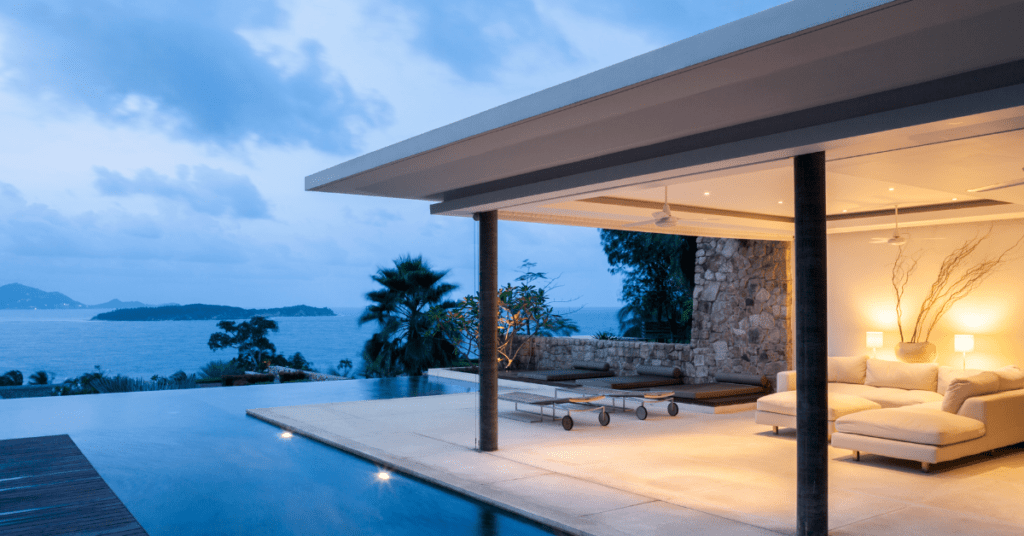
A villa can look luxurious in photographs without being built to a genuinely high standard. Attractive furniture, dramatic lighting, natural stone and an infinity pool may create an impressive first impression, but these features do not necessarily indicate quality construction.
If you are considering purchasing a luxury villa in Bali, you need to look beyond its styling and evaluate how the property was designed, constructed and finished. True luxury should be visible not only in the appearance of the villa, but also in its workmanship, durability, safety, comfort and performance.
This guide explains how to verify the quality of a luxury villa in Bali before making a significant investment.
What Makes a Bali Villa Genuinely Luxurious?
Luxury is partly subjective, but quality can be evaluated more objectively.
A genuinely high-quality villa should demonstrate:
- Consistent workmanship throughout the property
- Durable materials appropriate for Bali’s tropical environment
- Effective waterproofing and drainage
- Properly functioning electrical and plumbing systems
- Comfortable ventilation and air conditioning
- Well-installed doors, windows, cabinetry and fixtures
- Safe stairs, balconies, pool areas and electrical components
- Evidence that concealed construction details were properly planned
- A sensible maintenance history
An expensive asking price does not prove that these standards have been achieved. Some properties are priced primarily according to their location, land value, architecture or rental potential. The quality of the actual building may be very different.
1. Look Beyond Furniture and Interior Styling
When viewing a villa, mentally separate the building from its furniture and decoration.
Furniture, artwork, landscaping and lighting can be replaced relatively easily. Structural components, waterproofing, electrical installations and drainage systems are considerably more difficult and expensive to correct.
Look closely at the permanent parts of the villa:
- Walls and ceilings
- Floors and tiled surfaces
- Doors and windows
- Fixed cabinetry
- Plumbing fixtures
- Electrical panels and sockets
- Roofs and exterior finishes
- Balconies, decks and stairs
- The swimming pool and surrounding areas
Luxury finishes should remain consistent in secondary spaces. Inspect service areas, storage rooms, electrical panels, pump rooms and the backs of cabinets. Poor construction is often easier to see in areas that were not prepared for photographs or guest viewings.
2. Examine the Quality of the Finishes
Premium materials can still perform poorly when incorrectly installed.
Check tiled floors and walls for inconsistent joints, uneven surfaces, chipped edges and hollow-sounding areas. Stone finishes should be securely installed and appropriately sealed. Timber should not show premature splitting, distortion, decay or separation. Grouting is also an area to take a look at. Consistent grouting colors show attention to detail.
Paint and plaster should generally have a consistent finish. Isolated areas of new paint may simply be routine maintenance, but they can also conceal past leaks, cracking or surface deterioration. Ask why certain walls or ceilings were recently repaired or repainted.
Also check whether:
- Floor transitions are even
- Grout lines are consistent
- Sealant has been installed neatly
- Fixtures are level and secure
- Cabinet doors align correctly
- Drawers operate smoothly
- Countertops are adequately supported
- Door hardware feels substantial and properly fitted
Small imperfections do not automatically make a villa poor quality. However, repeated defects throughout the property may indicate weak supervision or rushed construction.
3. Check for Cracking and Structural Warning Signs
Cracking is common in buildings, but not every crack has the same significance.
Fine surface cracking may be limited to plaster, render or normal material shrinkage. Wider, deeper, recurring or patterned cracking may require closer assessment, particularly when found alongside other signs of movement.
Pay attention to:
- Diagonal cracking around windows and doors
- Separation where walls meet columns or ceilings
- Cracks extending through multiple materials
- Uneven or sloping floors
- Doors and windows that no longer align
- Visible deflection in beams, roofs, balconies or decks
- Leaning or displaced retaining walls
- Exposed or corroding reinforcement
- Damaged concrete around structural components
A home inspection is a visual, non-invasive assessment and is not a substitute for structural calculations. When potentially significant structural indicators are present, further evaluation by a qualified building or structural engineer may be necessary.
Our Bali Villa Inspection Checklist provides a broader overview of the areas buyers should examine before purchasing.
4. Investigate Moisture and Waterproofing
Moisture is one of the most important considerations when assessing a luxury villa in Bali. Heavy rainfall, high humidity, plumbing leaks, roof defects, poor drainage and failed waterproofing can all cause damage.
Look for:
- Peeling or blistering paint
- Musty odours
- White deposits on walls
- Discoloration around ceilings and windows
- Swollen doors or cabinetry
- Damaged skirting
- Mold-like growth
- Staining near bathrooms and pools
- Recently patched or repainted areas
- Dampness near the bottom of walls
Bathrooms, balconies, flat roofs and swimming pools deserve particular attention because waterproofing failures can be disruptive and costly to repair.
Moisture meters may help determine whether suspicious materials are currently damp. Thermal imaging can identify temperature differences that warrant further investigation, but it cannot see through walls and does not prove the presence of moisture by itself. Learn more about how we use thermal imaging during home inspections in Bali.
5. Assess the Roof and Site Drainage
A luxury villa should perform well during Bali’s rainy season, not only when the weather is dry.
Check whether the roof appears properly maintained and whether rainwater has a clear route away from the building. Flat roofs should have adequate slope and functional drainage points. Tiled or covered roofs should be examined for damaged coverings, deteriorated flashing and uneven sections.
Inside the villa, look for staining or repairs on ceilings and upper walls. A dry stain does not necessarily prove that the original leak was repaired.
Around the property, examine:
- Ground sloping toward the building
- Low areas where water may accumulate
- Blocked or undersized drains
- Downpipes terminating beside walls or foundations
- Poor drainage around retaining walls
- Water staining on exterior surfaces
- Signs of erosion or soil movement
Drainage is particularly important for hillside villas, properties surrounded by retaining walls and villas positioned below neighbouring land.
6. Verify the Electrical Installation
A luxury villa should have more than attractive switches and decorative lighting. Its electrical system should also be safe, organised and appropriate for the property’s demands.
Inspectors may check accessible electrical panels, protective devices, sockets, visible wiring and installed equipment. Potential concerns can include:
- Ungrounded sockets
- Incorrectly connected outlets
- Damaged or exposed wiring
- Loose electrical components
- Corrosion inside electrical panels
- Inadequate protection around wet areas
- Missing or ineffective earth-leakage protection
- Overloaded circuits
- Improvised connections
- Poorly supported cables or conduit
Pools, outdoor kitchens, water features and landscape lighting introduce additional electrical risks because electricity is being used close to water and exposed weather conditions.
An expensive lighting system does not compensate for poor electrical safety behind the switches.
7. Test the Plumbing and Water Systems
Turn on multiple fixtures and observe how the system performs. A villa may have beautiful bathrooms while still suffering from low pressure, slow drainage, leaking fittings or inadequate hot-water capacity.
Check:
- Water pressure at different fixtures
- Hot-water delivery and temperature
- Drainage speed at sinks and showers
- Leaks below basins and inside cabinetry
- Toilet operation
- Loose or damaged fixtures
- Water-heater installation
- Flexible hoses and visible connections
- Pumps, tanks and filtration equipment
- Signs of previous leakage
In a larger luxury villa, the plumbing system should perform adequately when more than one bathroom is being used. Ask about the water source, storage capacity, pump arrangement, filtration system and maintenance history.
8. Evaluate Doors, Windows and Fixed Cabinetry
Doors and windows provide a useful indication of construction accuracy.
They should generally open, close and latch without excessive force. Repeated alignment problems can result from poor installation, moisture-related distortion or building movement.
Check for:
- Gaps around frames
- Loose handles and hinges
- Cracked or damaged glazing
- Missing sealant
- Water entry around windows
- Timber deterioration
- Doors contacting floors or walls
- Cabinet doors that collide with appliances or fans
- Drawers that do not remain closed
- Poorly supported shelving
Large glass doors and balcony glazing should also be considered from a safety perspective. The absence of visible safety-glass identification may require further investigation rather than an assumption that the glass is tempered.
9. Test Air Conditioning and Ventilation
Comfort is a fundamental part of a luxury property.
Air-conditioning units should cool effectively, operate without unusual noise and drain condensation correctly. Check the condition of the indoor and outdoor units, refrigerant lines, drainage pipes and electrical connections.
Poor ventilation can contribute to:
- Persistent humidity
- Condensation
- Musty rooms
- Mold-like growth
- Deteriorating finishes
- Uncomfortable bathrooms and storage areas
Large rooms with extensive glazing may require substantial cooling capacity. A villa that photographs beautifully but remains hot, humid or difficult to ventilate may not provide a genuinely luxurious living experience.
10. Inspect the Pool, Decks, Stairs and Balconies
Swimming pools and elevated outdoor spaces are prominent luxury features, but they also introduce significant maintenance and safety considerations.
Examine:
- Pool tiles and finishes
- Cracking around the pool structure
- Water loss or staining
- Pump-room condition
- Corroded electrical components
- Loose or damaged decking
- Slippery walking surfaces
- Unstable railings
- Wide openings in barriers
- Missing guards or handrails
- Ponding around the pool
- Drainage away from the villa
Decks, stairs and balcony guards should feel secure. Movement, decay, exposed fasteners or visibly improvised supports should not be dismissed simply because the surrounding area looks attractive.
11. Ask for Construction and Maintenance Records
This is not a legal-status check. However, construction and maintenance information can help you evaluate quality. You can determine how the home was cared for.
Ask whether the seller or developer can provide:
- Construction photographs
- Architectural and structural drawings
- Material specifications
- Waterproofing information
- Equipment manuals
- Contractor warranties
- Pool and pump records
- Air-conditioning service history
- Records of leaks and repairs
- Previous inspection reports
Documentation does not guarantee quality, but it can show whether important systems were deliberately planned and maintained. A lack of information may mean that more uncertainty must be considered when assessing the property.
12. Arrange an Independent Villa Inspection
A viewing allows you to experience the property, but it is not the same as a systematic inspection.
An independent inspector approaches the villa differently from an agent, seller, developer or contractor. The objective is not to promote the property or decide whether you should buy it. It is to document visible conditions so you can make your own informed decision.
A professional home and villa inspection in Bali may include an assessment of accessible structural components, roofing, drainage, electrical systems, plumbing, moisture concerns, air conditioning, doors, windows, finishes, exterior areas and safety conditions.
Depending on access and site conditions, inspection tools may include moisture meters, thermal imaging, electrical testing equipment, ladders and drones.
The inspection remains visual and non-invasive. It cannot guarantee that every concealed defect will be found, but it can significantly improve your understanding of the villa’s visible condition.
Luxury Should Be More Than an Appearance
The best luxury villas combine architecture and design with good construction, functional systems, careful detailing and appropriate maintenance.
Do not assume that a high price, fashionable location or impressive listing confirms the quality of the building. Look behind the furniture, test the systems and pay attention to the less glamorous areas of the property.
You may also want to review the 12 common problems we find in Bali villas before attending a viewing.
Bali Home Inspector provides independent inspections across many of Bali’s principal residential and investment areas. You can view our inspection coverage areas or contact Bali Home Inspector to discuss an inspection before purchasing or taking handover of a villa.